

Child & Adolescent Psychotherapy
When your child feels overwhelmed by big emotions, steadier days are possible.
When meltdowns, shutdowns, or daily power struggles begin to take over your home, it can feel exhausting and confusing. With the right support, your child can build the skills to manage big feelings more effectively and begin to experience greater confidence and stability.
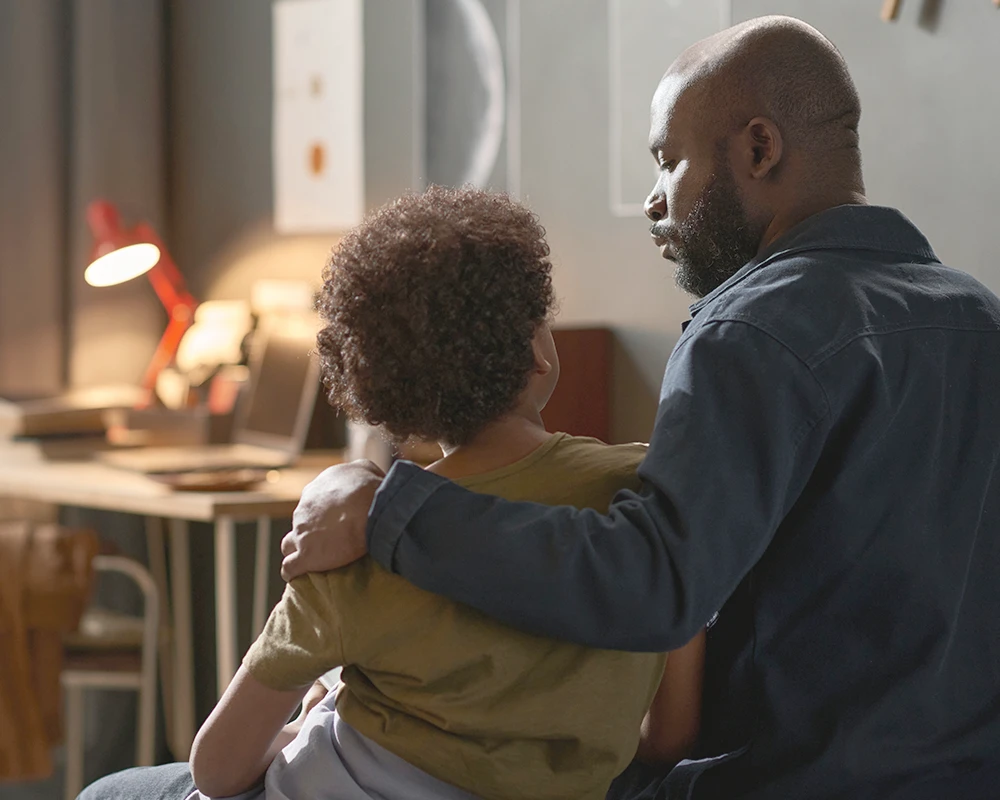
What they’re going through.
Your child may feel flooded by emotions that come on too quickly and too intensely. Small frustrations can feel enormous to them, leaving them unsure how to calm down once they’re upset.
They may experience repeated misunderstandings with adults or peers and begin to believe something is wrong with them.
Underneath the behavior, there is often a child who wants to do well, feel capable, and be understood—but doesn’t yet have the skills to get there.
How psychotherapy can help your child.
Over time, your child can learn to recognize what they’re feeling, understand their triggers, and develop healthier ways to respond.
As emotional regulation improves, daily routines can begin to feel more predictable and less reactive. You may notice stronger communication, greater confidence, and fewer moments of escalation.
Rather than constantly managing crises, your family can begin building steadier patterns rooted in understanding and skill-building.
My approach to child & adolescent psychotherapy.
My work with children and teens is active, thoughtful, and grounded in decades of research on development, attachment, and resilience.
Depending on your child’s needs, I draw from cognitive behavioral therapy, play therapy, and psychoanalytic principles to better understand what’s driving the behavior beneath the surface. I work closely with parents, especially early on, because meaningful change happens most effectively when adults and children are aligned.
Together, we focus not just on reducing symptoms, but on helping your child take ownership of their life—learning to set meaningful goals, build the skills to pursue them, and develop the independence they’ll need for success in college and beyond.

Who is this for?
This work may be a good fit if your child struggles with intense emotions, frequent conflict, or patterns that don’t seem to improve with typical strategies. It can be especially helpful for families who feel stuck in recurring power struggles or worried about how behavior is affecting school, friendships, or home life. You don’t need a diagnosis to seek support—just a sense that something isn’t working and a desire to help your child thrive.
If you’re open to reflection, collaboration, and building practical skills together, this approach may be a strong fit for your family.
What to expect in child & adolescent Psychotherapy.
Our work begins with a careful understanding of your child’s emotional world, strengths, and patterns, along with your goals as a parent. From there, we move through a thoughtful process that builds insight, teaches skills, and supports meaningful change over time.Parent Work
Meetings designed to combine your deep personal knowledge of your child with my professional experience.02.
Build Skills
Your child learns practical tools for regulation, communication, and problem-solving.
Strengthen Stability
We reinforce new patterns to support confidence, resilience, and steadier daily functioning.
Meeting you where you are.
I offer in-person child and adolescent psychotherapy in Wellesley Hills, serving families throughout the MetroWest Boston area, including Wellesley, Weston, Newton, and Needham.
For those who prefer flexibility, I also provide secure online sessions to families across Massachusetts.
Whether we meet in my office or virtually, the goal is the same: to create a steady, thoughtful space where your child—and your family—can begin to move forward.